
The Hidden Potential of Fabric Scraps: A Guide to Sustainable Textile Practices
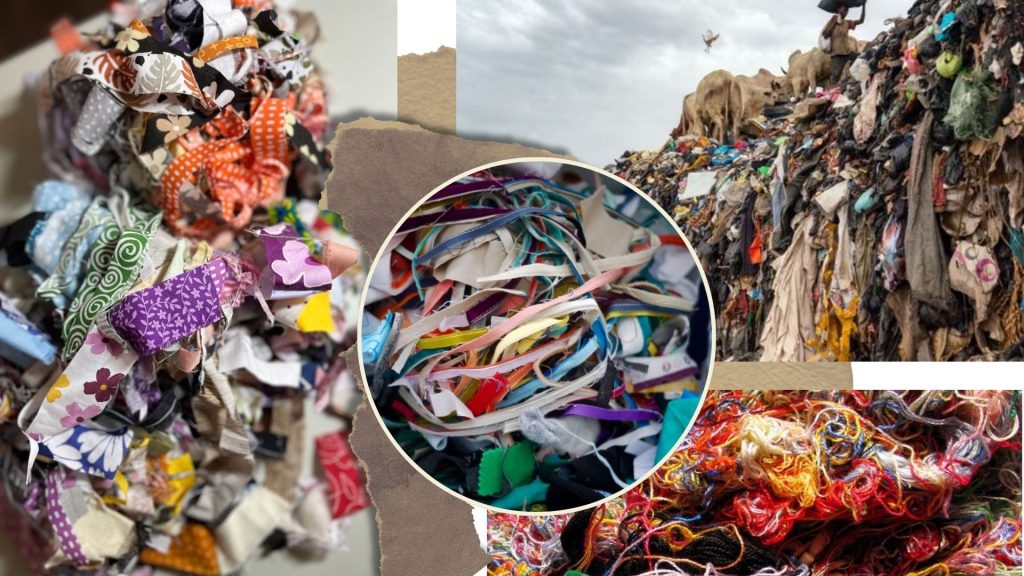
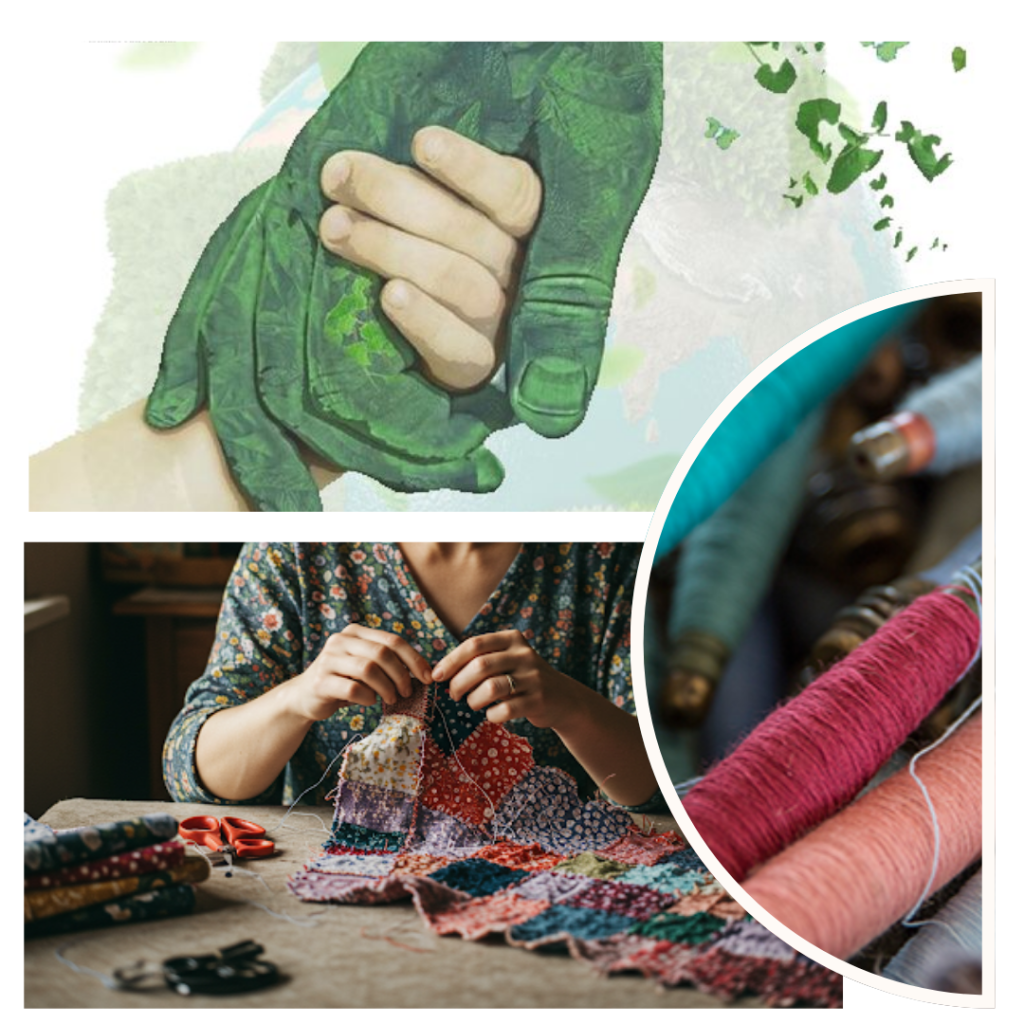
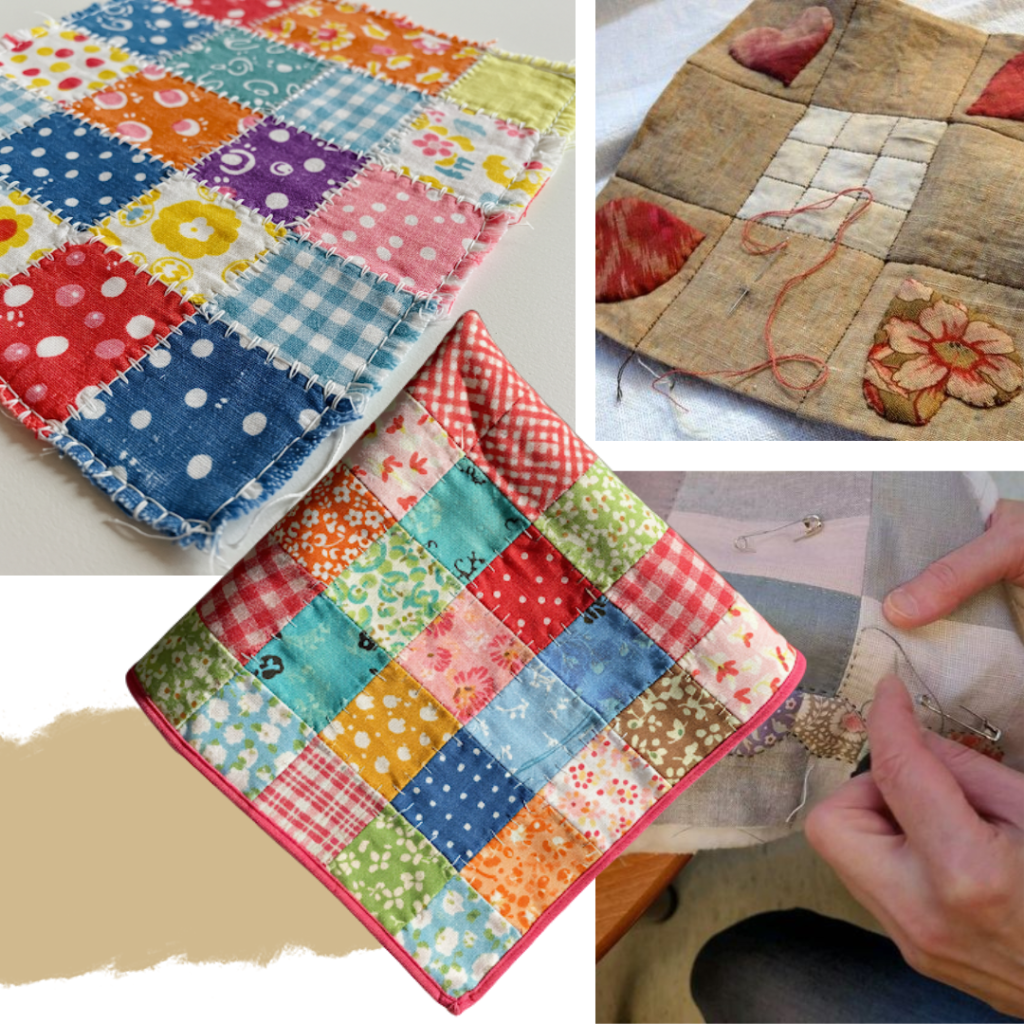
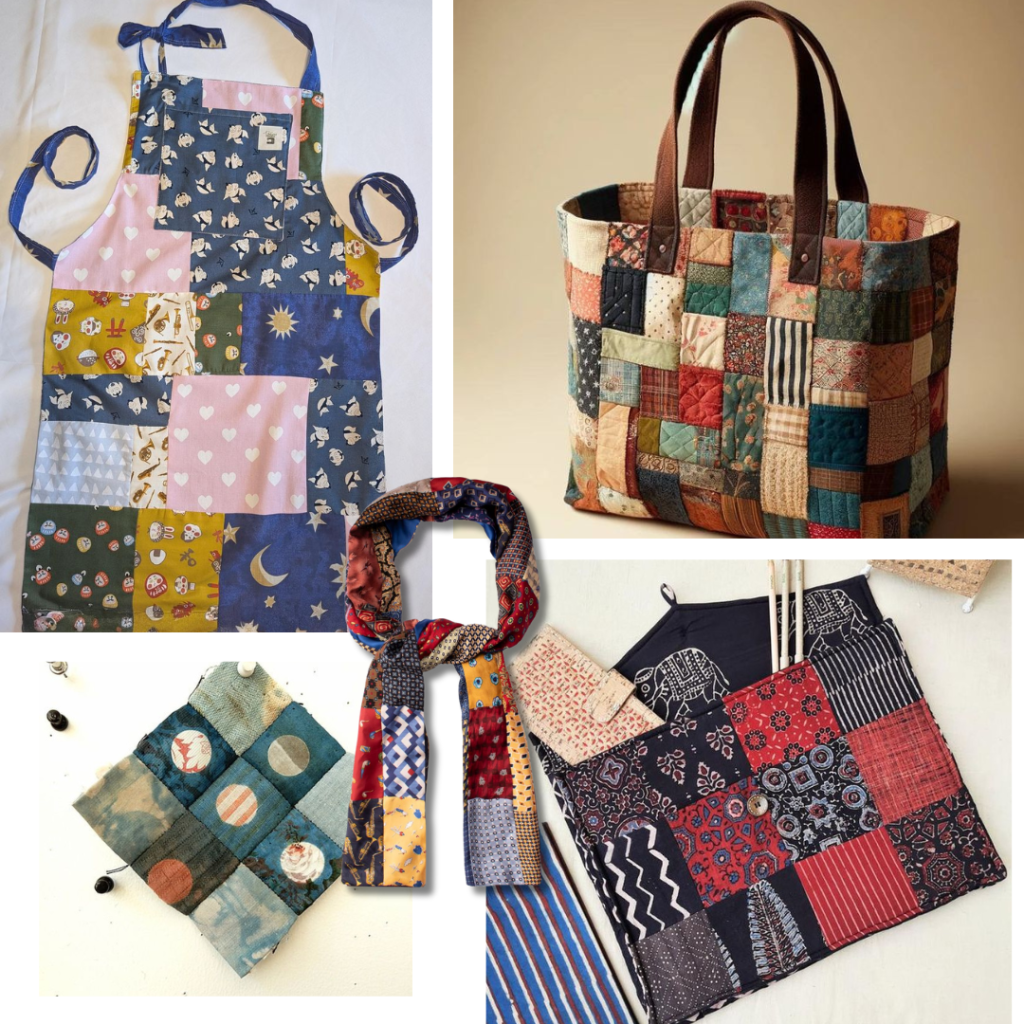
Fabric scraps are the small leftovers remaining after cutting patterns for sewing projects. They range in size from tiny fragments to large pieces. These remnants showcase a vast variety of colors, textures, and fiber types. Consequently, they reflect the true diversity of the textile world. It is vital to recycle these fabrics sustainably. By doing so, we adopt eco-friendly practices that protect our planet.
The Cost of Waste: Why Recycling Matters
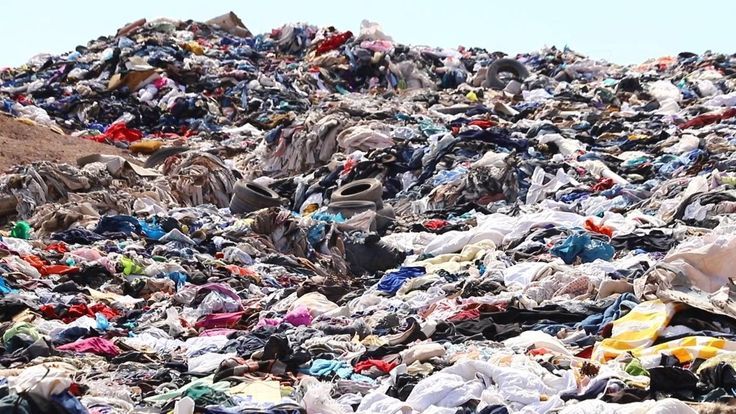
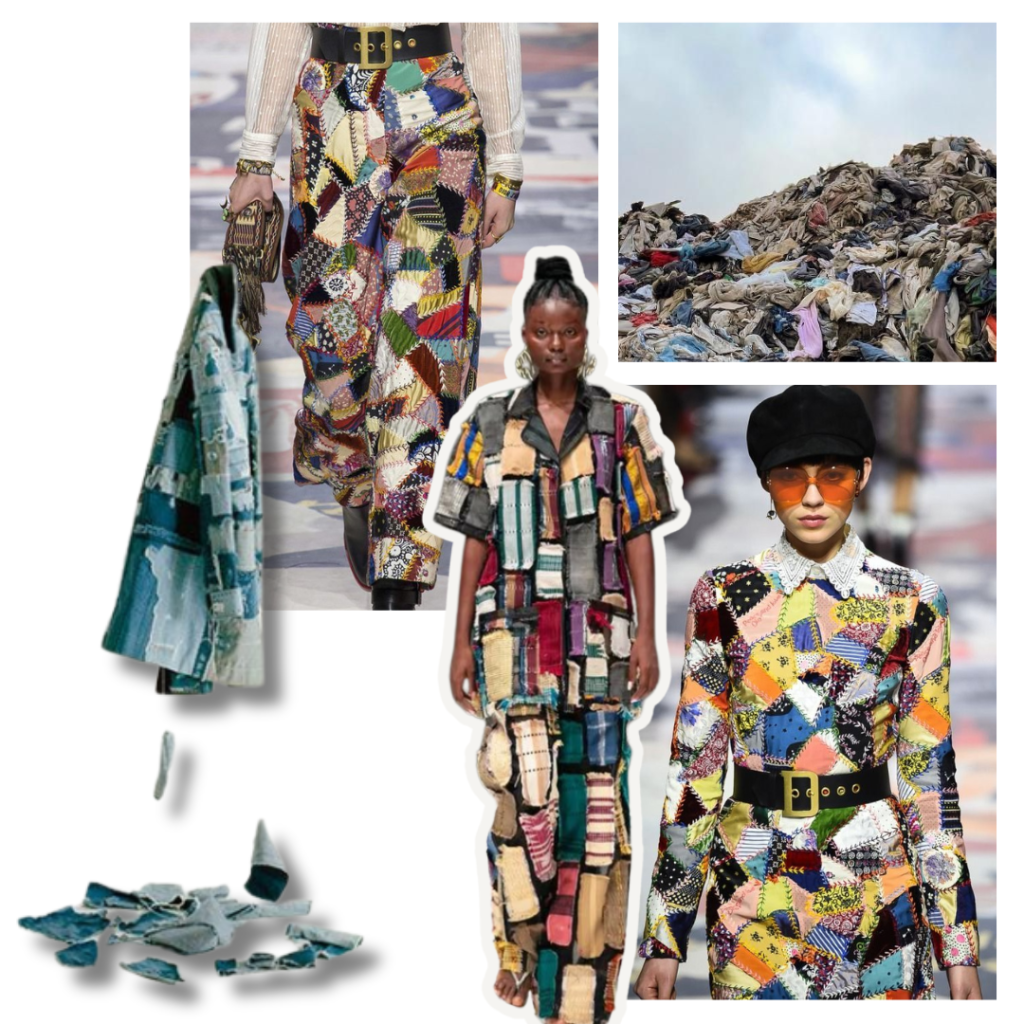
Unfortunately, massive amounts of fabric scraps end up in landfills every year. This neglect leads to several harmful consequences for our environment.
Environmental Pollution
Landfills generate dangerous greenhouse gases. Furthermore, they can leak harmful chemicals into the soil and groundwater. Synthetic fabrics, like polyester, are particularly problematic. In fact, these materials can take hundreds of years to decompose.
Wasted Resources and Lost Creativity
When we throw away scraps, we waste the energy and water used to make them. Similarly, we lose raw materials that still have value. Moreover, we lose a wealth of creative ideas. Fabric scraps are a goldmine for innovation. If we do not use them, we miss the chance to create something extraordinary.
Pollution environnementale : Les décharges génèrent des gaz à effet de serre et peuvent libérer des substances chimiques nuisibles dans le sol et les eaux souterraines. Les textiles, en particulier les tissus synthétiques, peuvent mettre des centaines d’années à se décomposer.
Organization: The Foundation of Success
The arrival of the British East India Company in the 17th century changed everything. At first, the British recognized the high quality of Indian textiles. However, British policies later shifted to favor their own industrial factories.
Economic Imbalance
The British government imposed high taxes on Indian handmade goods. Simultaneously, they exported raw Indian cotton to British factories. They then sent cheap, machine-made cloth back to India. Consequently, local weavers could not compete. This imbalance led to widespread poverty and the loss of traditional skills.
The Impact of Industrialization
The mass import of machine-made textiles undermined centuries of tradition. Because of this, the diversity and quality of Indian textiles began to fade. Many unique regional styles faced the threat of total erasure. Nevertheless, the spirit of the craft survived in small pockets across the country.
Solutions de rangement : L’utilisation de solutions de rangement transparentes, comme des bacs clairs, tiroirs, bocaux ou contenants réutilisés, garantit une visibilité et un accès facile à la variété d’objets. On peut optimiser l’espace en utilisant des techniques telles que le roulage ou le pliage des chutes avant stockage, afin d’augmenter la capacité et de réduire l’encombrement.
The Role of Modern Revivalists
In the face of heavy industrialization, the handloom industry is fighting back. Notably, organizations like Anuprerna are working hard to raise awareness. They value the manual weaving process and support the artisans who keep it alive. By doing so, they ensure that these skills are not lost to history.
Traditional Handloom in the Modern Market
Today, the world is moving toward ethical and sustainable products. Consumers want to know where their clothes come from.
A Sustainable Alternative
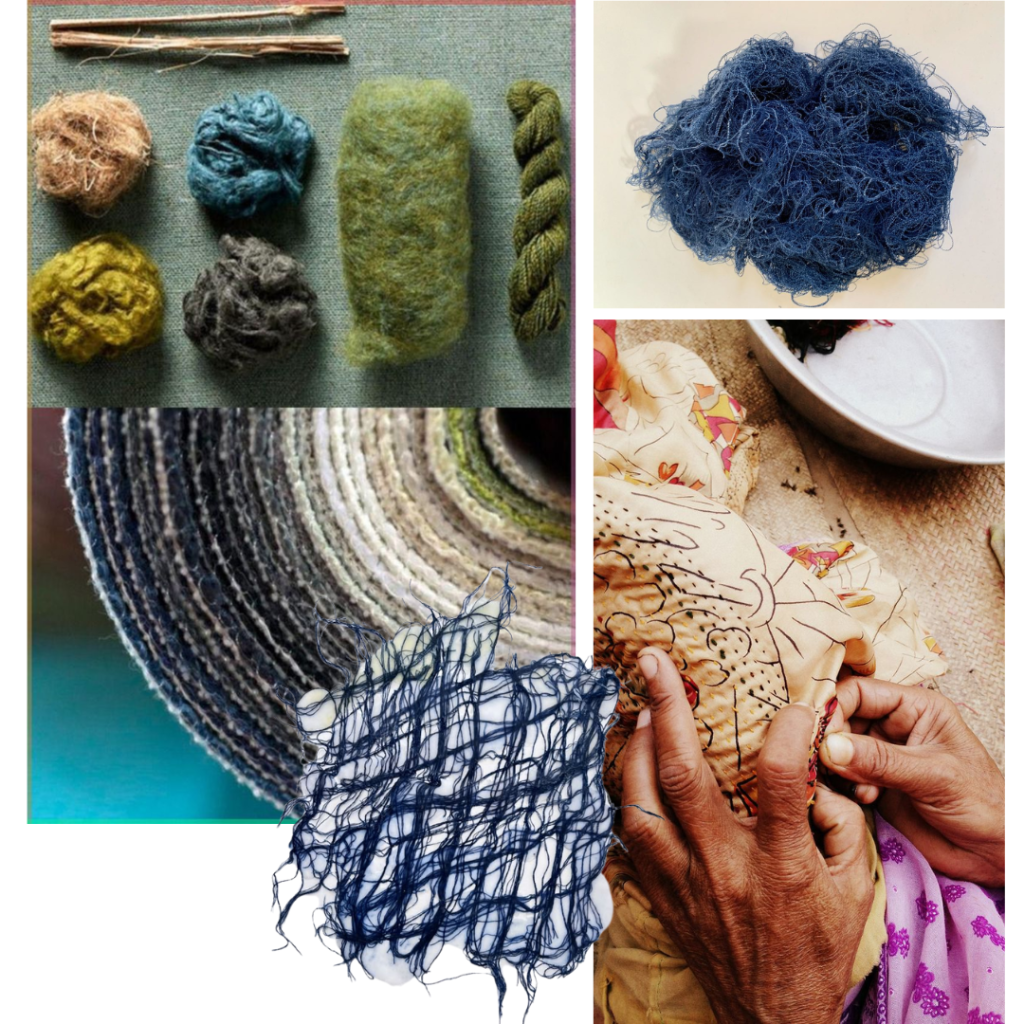
Hand-woven products fit these modern values perfectly. They offer a great alternative to mass-produced textiles that harm the environment. Moreover, the authenticity of handmade fabric makes it very popular in global markets. Fashion designers and consumers alike choose handloom for its cultural depth and timeless appeal.
Collaborations avec des sociétés de recyclage : Établir des liens avec des entreprises spécialisées dans le recyclage du textile. Ces entreprises ont la capacité de traiter les chutes, en séparant les fibres pour leur réutilisation dans de nouveaux textiles ou d’autres usages (comme l’isolation).
The Fusion of Tradition and Modernity
The relationship between old and new in Indian weaving is very dynamic. For instance, contemporary designers like Sabyasachi Mukherjee and Anita Dongre are leading the way.
Transforming Traditional Silhouettes
These designers use traditional fabrics like Banarasi silk, Chanderi, and Kanjeevaram. However, they transform them into modern gowns, evening dresses, and Western-style suits. By doing this, they make ancient crafts accessible to a younger, global generation.
Contemporary Fashion Trends
Current trends focus on a blend of heritage and innovation. Designers often merge techniques like Ikat with modern silhouettes. In addition, sustainability is now a top priority. Most handmade textiles use natural fibers and eco-friendly dyes. Consequently, Indian handloom is now a regular feature on international runways.
Preserving Heritage While Embracing Innovation
The future of Indian weaving depends on a delicate balance. Artisans must preserve traditional methods while adopting new ideas.
The Digital Advantage
Today, artisans are exploring modern concepts and sustainable practices. Digital platforms and social media provide new opportunities. Specifically, weavers can now reach a global audience without needing a middleman. This shift allows them to share their stories and sell their products directly to consumers.
Government and Policy Support
Furthermore, institutional support is essential for the sector’s survival. Policies that provide financial aid and marketing help can strengthen the industry. If we view hand-weaving as a vital part of cultural heritage, we can create better protection for these artists.
Why Handloom Still Matters
Hand-weaving is not just about making cloth. Indeed, it is about preserving a way of life. Every hand-woven sari or scarf contains the history of a community.
Environmental Benefits
Handlooms do not require electricity. Therefore, they have a very low carbon footprint. In contrast, powerlooms consume massive amounts of energy. Additionally, the use of natural fibers means the clothing is biodegradable.
Social Impact
The handloom sector is the second-largest employer in rural India. By supporting this industry, we help provide a stable income for millions of families. Thus, every handloom purchase is a direct contribution to social equity.
Conclusion: A Timeless Legacy
The Indian handloom industry has survived centuries of change. From the ancient Indus Valley to the modern fashion runway, it remains a symbol of resilience. While machines can produce fabric faster, they cannot replicate the soul of a handmade textile. Ultimately, the future of fashion lies in respecting these traditions while moving forward with innovation.
Summary Table: The Evolution of Indian Handloom
| Era | Key Characteristic | Dominant Fabrics |
| Ancient (2500 BCE) | Early Mastery | Cotton, Basic Silk |
| Mughal (1500s-1800s) | Golden Age / Luxury | Muslin, Brocade, Jamdani |
| British (1800s-1947) | Decline / Industrialization | Cheap Imports, Raw Exports |
| Modern (Post-1947) | Revival / Sustainability | Khadi, Fusion Silks, Ikat |
| Future (2025+) | Innovation / Digital Reach | Eco-friendly Couture |